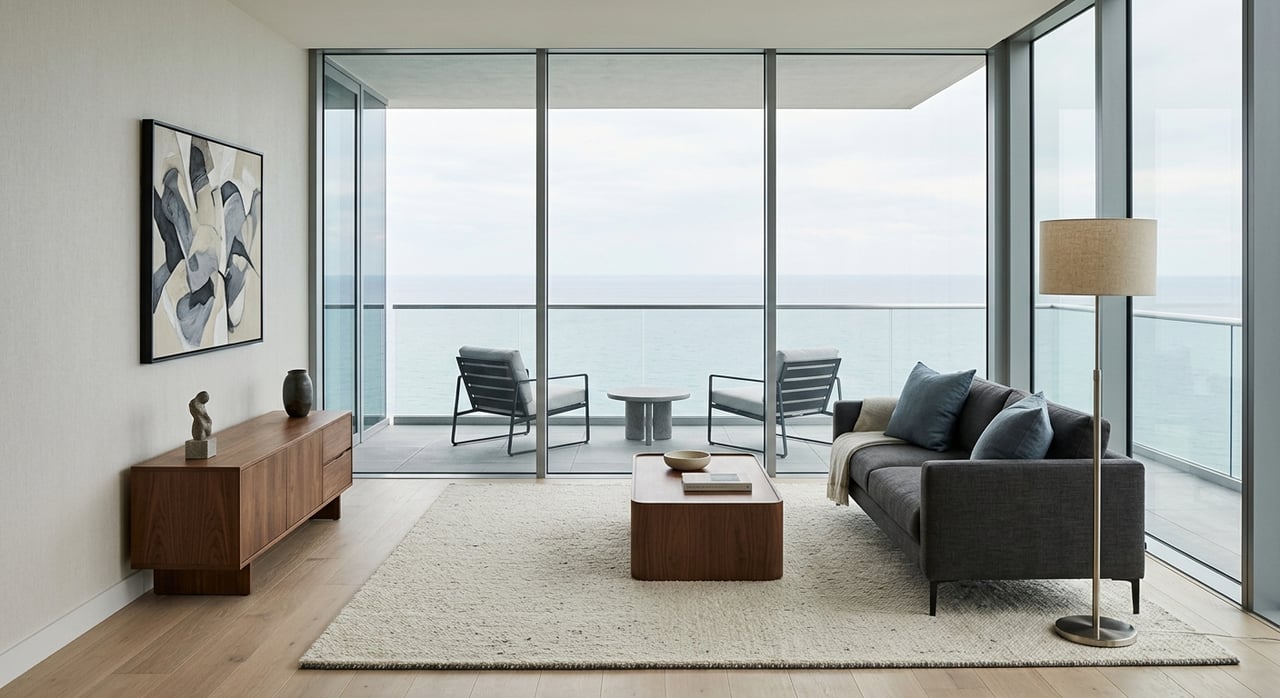
What draws so many people to Harbourfront is simple: you get the lake at your feet and downtown at your back. If you love early walks by the water, a calendar of festivals, and the convenience of condo living, this pocket of Toronto delivers. At the same time, it pays to know the tradeoffs like summer crowds, event noise, and the realities of high-rise life. In this guide, you’ll learn how daily life works here, what buildings offer, how you’ll get around, and what to test before you buy or rent. Let’s dive in.
Where Harbourfront sits and how it feels
Harbourfront is the lakeside district along Queens Quay, from roughly Bathurst Street to Yonge and York Streets, with the Gardiner Expressway forming the northern edge. Much of it is reclaimed industrial land that was transformed into parks, piers, and condominium towers starting in the 1970s. The area’s signature pattern is clear: public parks and promenades to the south, and a dense band of condo towers to the north along Queens Quay. That split shapes daily life — you have unparalleled access to the waterfront, with fewer traditional main-street shops than older mixed-use neighborhoods. Learn more about Harbourfront’s layout and history.
Daily life on the water
Parks and trails at your doorstep
Queens Quay is designed for you to move at the water’s pace. The boulevard and public realm were rebuilt to prioritize pedestrians and cyclists, and the Martin Goodman Trail runs continuously along the waterfront for walking, running, and biking. Wave decks and parks line the route, giving you frequent places to sit, meet, and watch the harbor. See how Queens Quay was redesigned for waterfront life.
Urban beaches and gardens
You will find pocket beaches and parklets that function as city retreats. HTO Park offers an urban beach feel with sand and shade chairs, while Canada’s Sugar Beach blends playful design with lake views. The Toronto Music Garden adds landscaped paths and performance space. These spots are for relaxation and events rather than open-water swimming. Always check city guidance and park signage before you plan to swim. Explore HTO Park and Canada’s Sugar Beach.
Culture all year
Harbourfront Centre anchors a year-round arts calendar with indoor venues, outdoor stages, and seasonal festivals. Winters are quieter on the waterfront, but programming continues with events that keep the area active. You can also visit contemporary art exhibitions nearby. Start with Harbourfront Centre’s overview.
Everyday conveniences
You can handle the day-to-day close to home. Queen’s Quay Terminal and adjacent retail include restaurants, cafés, and a small-format grocery that serve local residents. Larger supermarkets and drugstores are a short walk to nearby nodes like CityPlace, Fort York, and Bremner. Tenant mixes change, so confirm building-level retail when you are comparing addresses.
Condo living realities
Buildings and views
Harbourfront’s skyline is a mix of mid- to high-rise towers built from the 1980s through the 2010s, with newer podium-and-tower projects in the broader waterfront precinct. South-facing units capture prized lake and harbor views. Many homes face inward over streets or neighboring towers, so view and sunlight are often the decisive premium when you compare options. These patterns are common across the waterfront’s condo stock.
Amenities and fees
Typical buildings offer concierge or security, fitness rooms, party or meeting rooms, bike storage, and often indoor pools and guest suites. Amenity packages strongly influence monthly condo fees. Fees vary widely based on building age, services, and mechanical systems, so avoid relying on a single “typical” number. When you get serious about a unit, request the most recent status certificate and financials to understand fee structure and reserve fund health.
Parking, storage, and pets
Many downtown waterfront condos are sold or leased without an included parking space. Stalls may be available for purchase or rent, and costs change quickly, so confirm current figures through recent listings or a building manager. Storage lockers matter more than you think, especially in compact floor plans. Pet rules vary by condominium corporation, so review policies early if that is a priority.
Getting around
Streetcar to Union
The Harbourfront streetcar corridor provides a direct surface link to Union Station and downtown subway connections via routes that operate along Queens Quay. Service can shift during infrastructure work, with bus substitutions as needed. Always check current advisories before you plan your commute. See the TTC’s Queens Quay service updates.
On foot or by bike
If you work in the Financial District, you can usually walk to Union Station in about 10 to 25 minutes depending on your exact address. The Martin Goodman Trail makes daily cycling straightforward, and the rebuilt Queens Quay prioritizes active movement along the water. Review the waterfront’s pedestrian and cycling design via Waterfront Toronto’s Queens Quay project.
Islands and airports nearby
The Jack Layton Ferry Terminal at Bay and Queens Quay is your gateway to the Toronto Islands, with seasonal schedules that draw weekend and summer crowds. Expect lines during long weekends and festivals. For air travel, Billy Bishop Toronto City Airport sits just to the southwest. Routine aircraft activity is part of the soundscape, and PortsToronto publishes materials on operations and community liaison. Learn more about ferry operations and planning context and PortsToronto community engagement.
Driving and parking
Harbourfront is south of the Gardiner Expressway. Driving distances downtown are short, but congestion is common at peak times and during events. On-street parking is limited, and many residents choose to go car-light.
Market and rental context
At the GTA level, condo apartment averages softened in late 2025 and early 2026. Aggregated market summaries place the January 2026 average condo price around 600 to 625 thousand dollars, though waterfront buildings and lakeview units in Harbourfront often command higher prices based on exposure and size. Review GTA-level context from aggregated summaries and rely on current building-level data for precise pricing.
On the rental side, CMHC’s 2025 Rental Market Report shows the GTA’s purpose-built vacancy near 3.0 percent, while the condominium rental market remained tighter at about 1.0 percent. Average two-bedroom rents were materially higher in the condominium sample compared to purpose-built rental stock. See the CMHC Rental Market Report for detailed tables and definitions.
What this means for you: Harbourfront offers a wide spectrum of options, from compact studios to larger one- and two-bedroom layouts. Units with lake views or larger floor plates tend to list and lease at a premium. Use current MLS data and recent sold or leased comparables on the exact building and exposure you are considering.
What to test on a viewing
Use this checklist to assess fit and value:
- View and orientation: Confirm balcony exposure, sunlight at key times, and sightlines. South-facing lake views often carry a premium.
- Sound profile: Visit at different times. Note festival energy in summer and routine aircraft movement from Billy Bishop. Check event calendars and your own tolerance.
- Construction and streetscape: The waterfront continues to evolve with new parks and improvements. Ask about nearby construction timelines.
- Transit status: If you rely on the streetcar, verify current TTC advisories and any bus substitutions for Queens Quay.
- Amenities vs. fees: Map your usage to costs. Pools and full concierge services raise fees. Review the status certificate and reserve fund details.
- Parking and storage: Confirm whether a stall or locker is included, sizes, and monthly costs or purchase options.
- Policies and practicalities: Review pet rules and any building-specific bylaws that affect your lifestyle.
A day in Harbourfront
- Morning: Coffee on Queens Quay, then a jog or bike along the Martin Goodman Trail before work.
- Midday: Quick lunch on a patio or a reset at a wave deck with a view of the harbor.
- Evening: Short streetcar ride or walk from Union, then a gallery visit or an outdoor performance when in season.
- Weekend: Ferry trip to the Islands, time at HTO Park or Sugar Beach, and festival programming at Harbourfront Centre in summer.
Is Harbourfront right for you?
Choose Harbourfront if you want front-row access to the lake, a strong cultural calendar, and walkable connectivity to the core. Expect a high-rise environment with a quieter winter rhythm, summer buzz, and fewer traditional main-street blocks. If you value views, trails, and a polished waterfront public realm, the lifestyle can be exceptional. If you want guidance rooted in both lifestyle and numbers, connect with Daniel Kim for a tailored plan to buy or lease with confidence.
FAQs
Is Harbourfront lively year-round?
- Summer is busiest with festivals, patios, ferries, and visitors, while winter is calmer. Harbourfront Centre programs events in all seasons to keep the area active.
How long is the walk to Union Station from Harbourfront?
- Most addresses along Queens Quay are about a 10 to 25 minute walk to Union Station, depending on your exact location and pace.
Can you swim in the lake from Harbourfront’s parks?
- Urban beaches like HTO Park and Sugar Beach are designed for relaxation and events. Check city advisories and park signage for supervised swimming options elsewhere.
How noisy is Harbourfront during events and with airport traffic?
- Expect event noise in summer and routine aircraft activity from Billy Bishop. Test a unit at different times of day and review PortsToronto’s noise and community materials.
What transit options connect Harbourfront to the core?
- The streetcar corridor links directly to Union Station, with service adjustments during infrastructure work. Always check TTC advisories for the latest status.
What should I watch for in condo fees and amenities?
- Larger amenity packages often mean higher monthly fees. Request the latest status certificate and financials to understand reserves, services, and upcoming capital plans.